Twenty-five years of building digital products has taught me one thing above all else: the gap between what's possible and what exists is almost always a failure of imagination, not technology.
The way I think
Every invention I've been part of started with the same question: what gap exists that everyone can see but nobody has closed — and why?
Sometimes the answer is timing. The technology wasn't ready. Sometimes it's organizational — the right people hadn't connected the right dots yet. Sometimes it's a failure of imagination: the assumption that the way things have always worked is the way they have to work.
I've learned to sit with ideas longer than most people are comfortable with. To not force a solution before the conditions are right. To recognize the moment when an emerging technology finally meets a problem that's been waiting for it — and move quickly when that moment arrives.
I also try to be honest about what I don't know, what didn't ship the way I hoped, and what I'd do differently. The pursuit doesn't end at release. Every shipped product is a waypoint, not a destination.
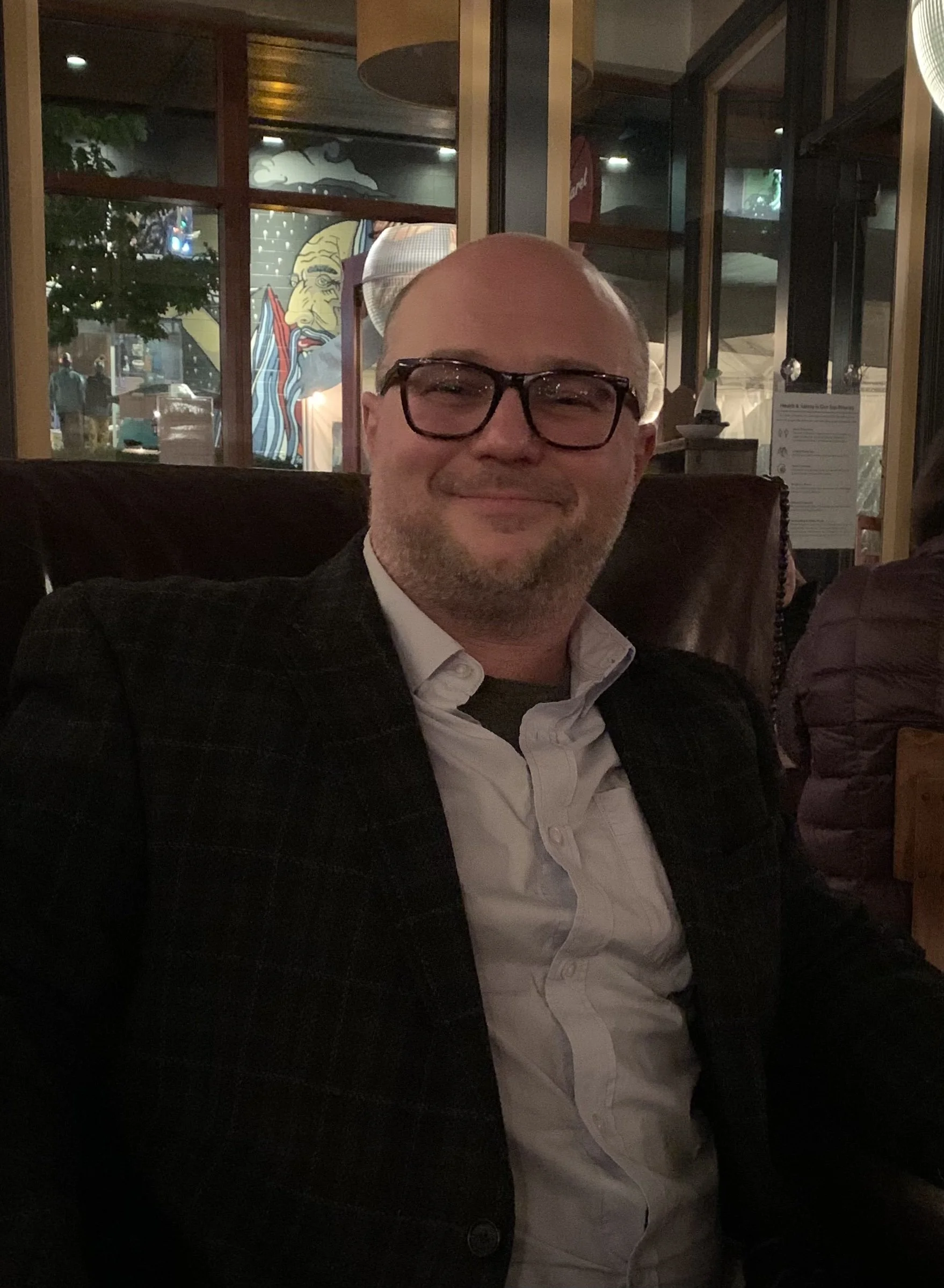
The maker
I've always moved between disciplines. Saxophone, guitar, illustration, wrestling, code, clay. Not as a resume of hobbies — as a way of thinking. Each one taught me something different about how things work, where they break, and what it feels like to actually get good at something.
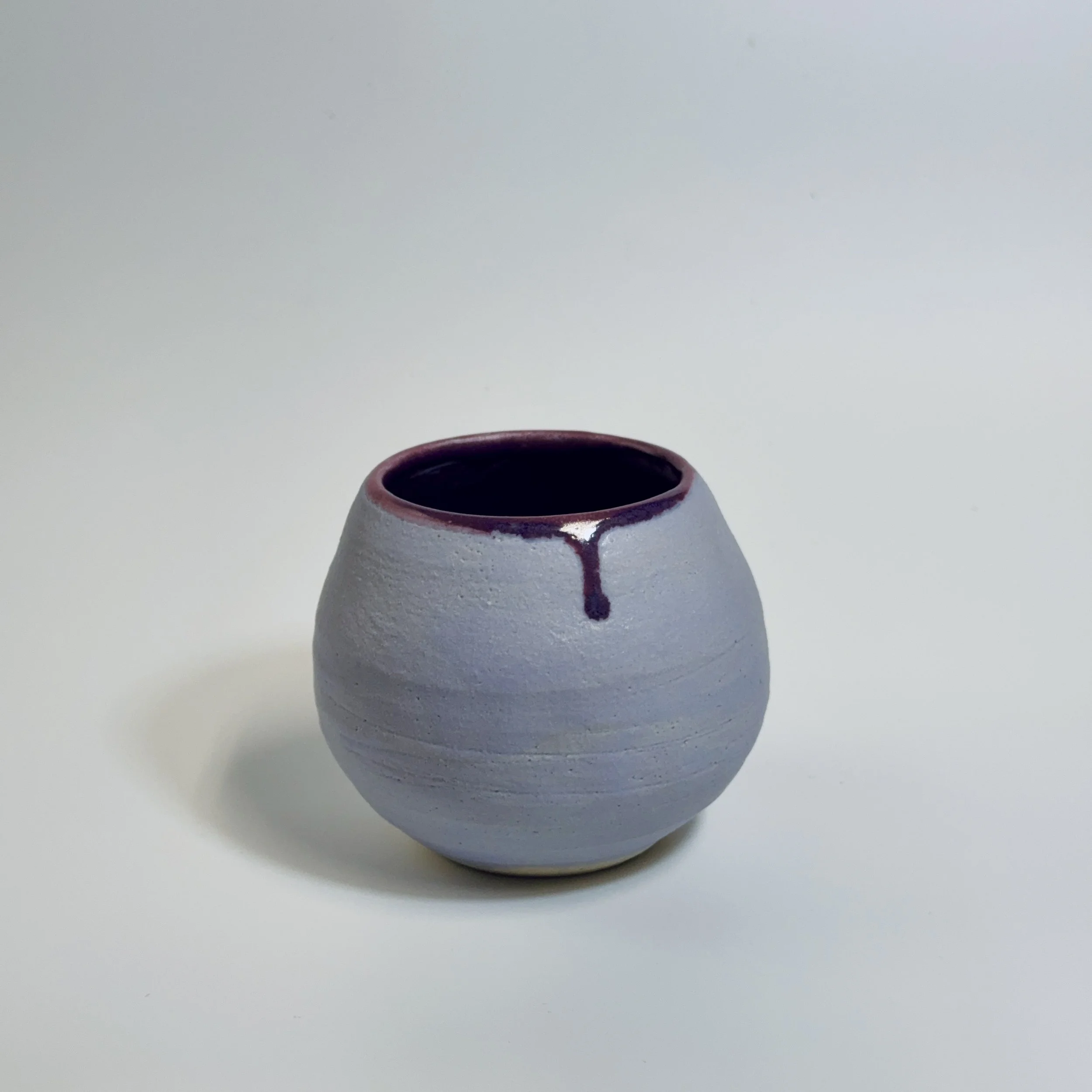
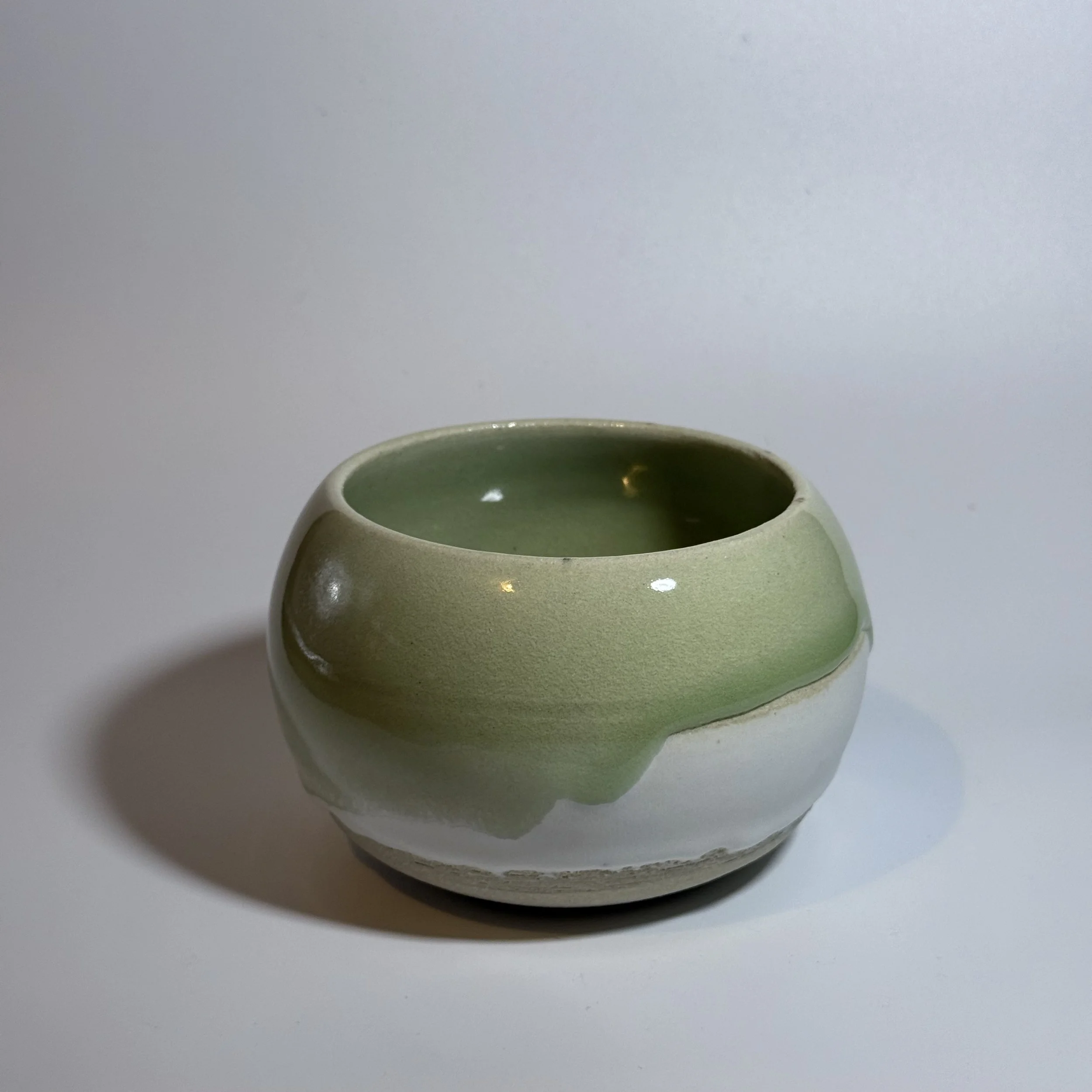
Pottery showed up later and clarified something I'd been doing all along. Clay is relentlessly honest — you can't perform your way through it. The material knows immediately when you're forcing something, when you're impatient, when you're not paying attention. I make pots the same way I make products: by listening before I push.
The work
At Expedia, I helped invent Romie — the company's first generative AI travel agent — and Trip Matching, which turns an Instagram Reel into a personalized, bookable itinerary. Both earned press coverage in TechCrunch, the New York Times, and Condé Nast Traveller. Both resulted in patent applications. I also designed and built UMP Comms Manager — a fully agentic multi-channel communications system — myself, using LangGraph, Next.js, and CopilotKit's AG-UI protocol.
The credentials
1 granted patent — US D1101770 (Display Screen UI / Graphical User Interface)
3 pending patent applications — AI-Driven Query Generation System, AI-Driven Travel Comparison System, Progressive Travel Intelligence System
Press — TechCrunch, New York Times, Condé Nast Traveller (UK), CN Traveler (US)
25+ years — Expedia Group, Gap Inc., Gilt, Scripps Networks
I build with — LangGraph, TypeScript, Next.js, React, CopilotKit AG-UI, Turborepo
Let's talk
I'm open to senior roles in AI product innovation and R&D — where invention is valued over performance and the work is expected to be genuinely new.